+86 139 2233 0292

Professional Temperature and Humidity Equipment Manufacturer.
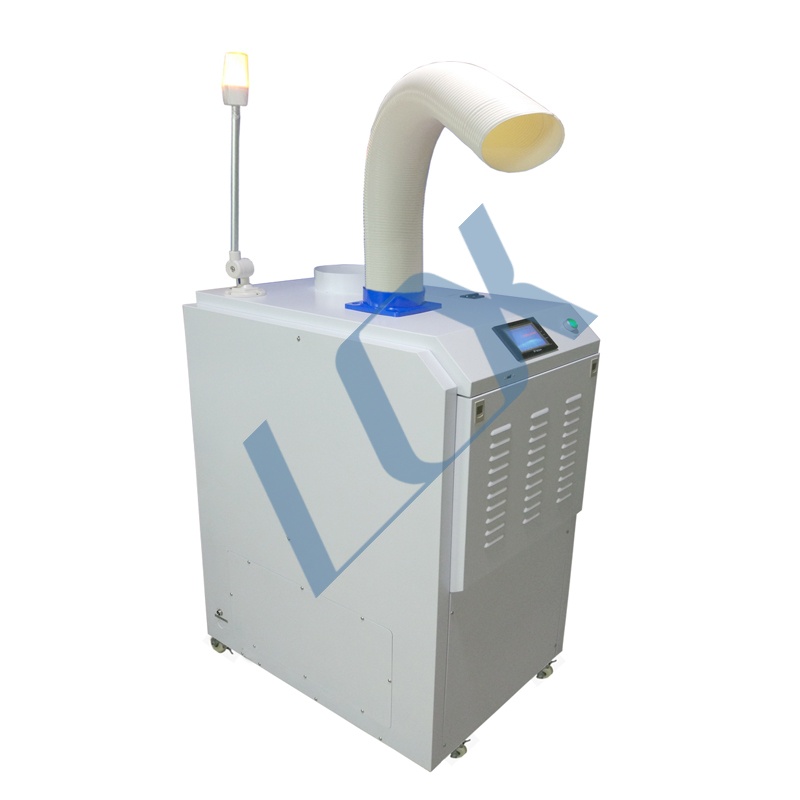
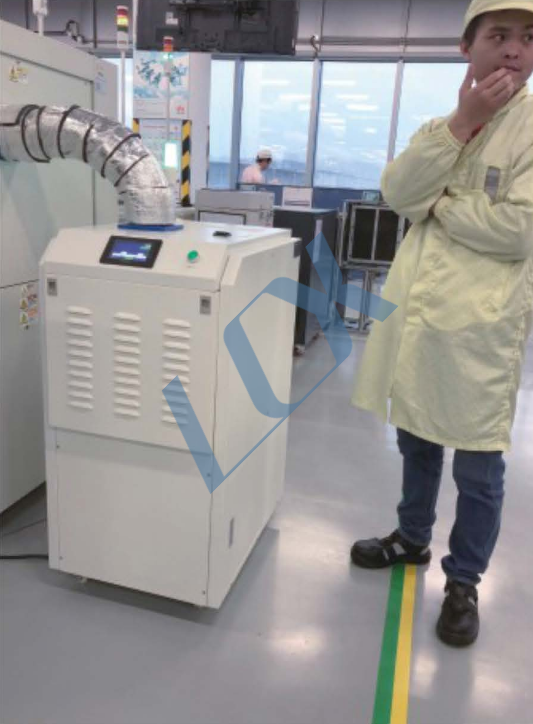
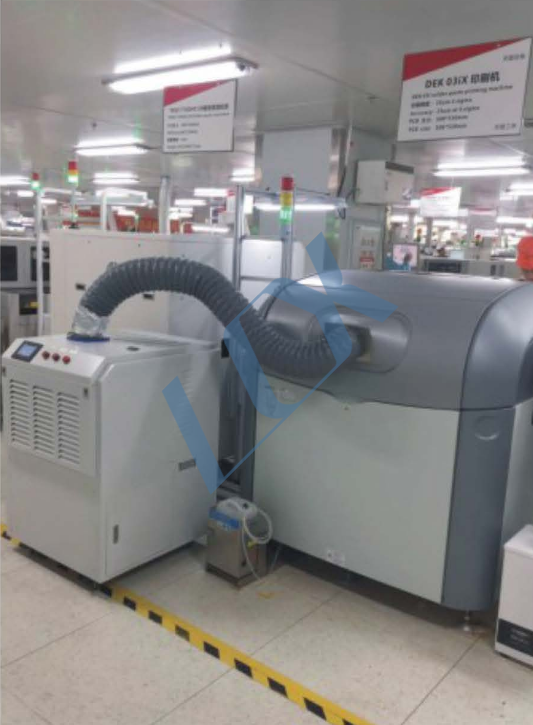
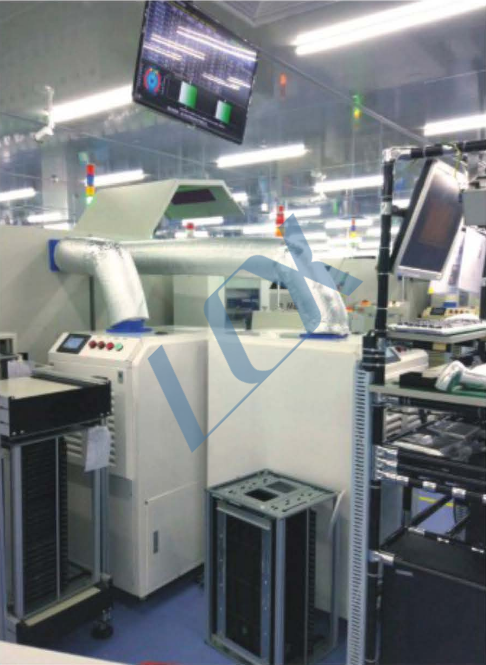
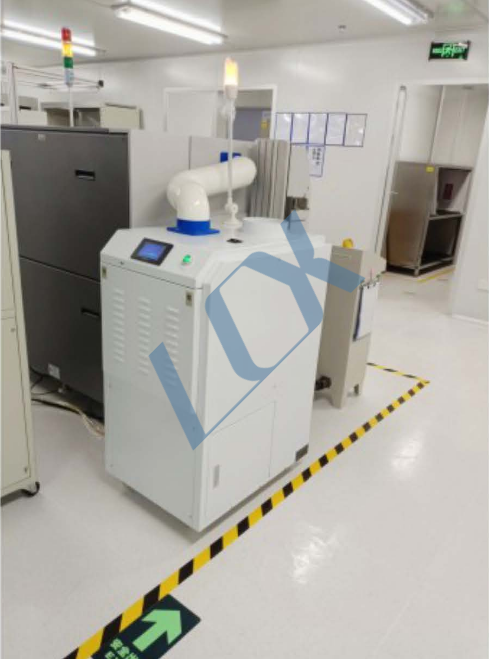
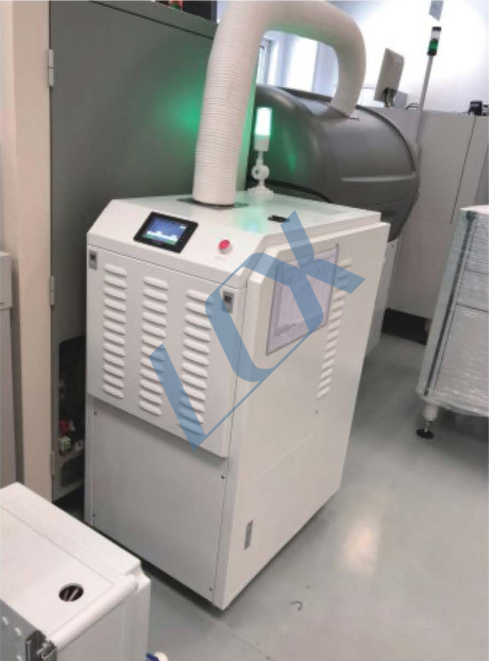
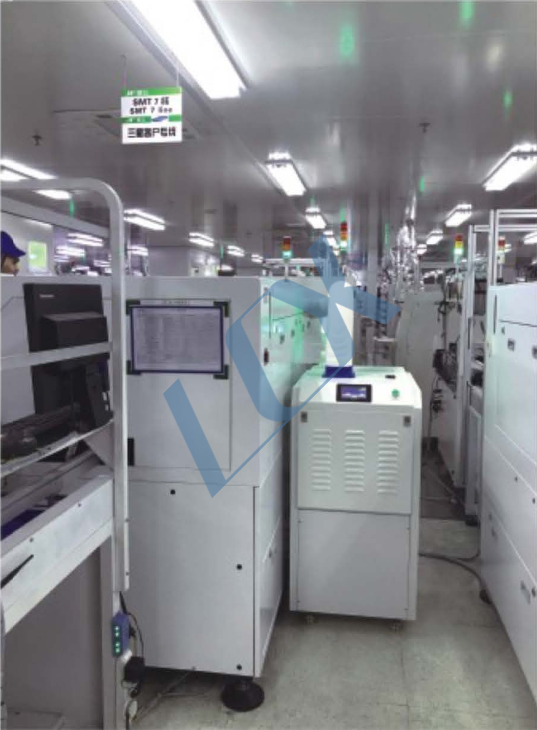
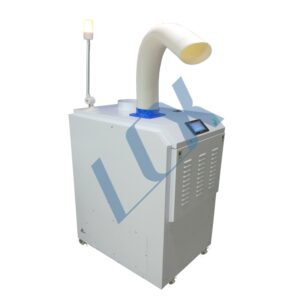
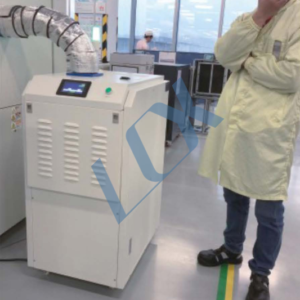
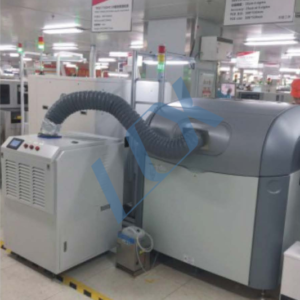
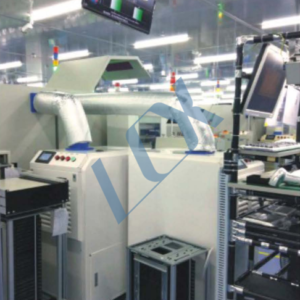
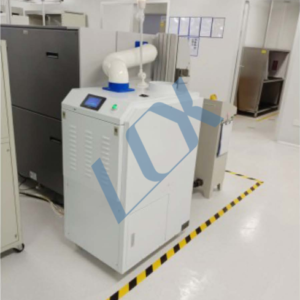
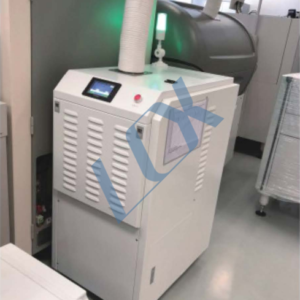
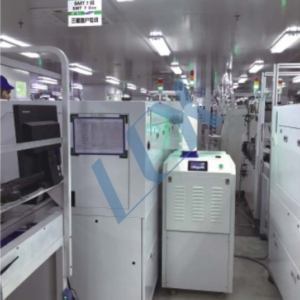
Our company designs and manufactures temperature and humidity control equipment for solder paste printers. It aims to provide optimal operating conditions for SMT solder paste printers, comprehensively improving printing quality during the SMT manufacturing process.
Share to:
I. Why use a constant temperature and humidity machine during solder paste printing?
1. The effect of temperature on solder paste: Experiments show that the viscosity of solder paste decreases as temperature increases.
2. Lower viscosity causes the following problems:
A. Lower viscosity causes bridging due to pressure diffusion; the solder paste spreads to the sides during printing.
B. Lower viscosity causes collapse; the printed solder paste blocks collapse and bridge due to insufficient holding force. This phenomenon usually occurs after the printing process (like a mudslide).
C. Lower viscosity causes defects, poor demolding, blocked holes, and poor molding.
Therefore, temperature has a significant impact on the viscosity of wet solder paste, directly affecting the core quality of the product. Therefore, controlling the internal operating temperature of the printing press is crucial during the printing process.
3. The effect of humidity on solder paste viscosity.
The concept of humidity: Humidity is a physical quantity that represents the degree of dryness of the atmosphere. At a certain temperature, the less water vapor in a certain volume of air, the drier the air; the more water vapor, the more humid the air. The dryness or humidity of air is called “humidity.” Experiments show that when humidity is too low and the weather is dry, solder paste dries out easily, which is particularly noticeable in northern winters. Below 40% relative humidity, the viscosity of solder paste decreases as humidity decreases. Above 60%, due to excessive moisture in the air, water droplets crystallize on the surface of the solder paste, severely impacting its quality.
In conclusion, using a constant temperature and humidity air conditioner has become crucial in the SMT printing process. After installing a constant temperature and humidity air conditioner on an SMT printer, the viscosity of the solder paste increases slowly during printing, significantly reducing via blockage, eliminating buildup, stringing, and edge defects, resulting in a comprehensive improvement in print quality. It ensures that air temperature and humidity are strictly controlled within the set parameters, 24 hours a day, 365 days a year, providing a good operating environment for the SMT printer and guaranteeing SMT print quality with effective and reliable conditions.
Describe
| Model | LCX-12P |
| Cooling Capacity | 2700W |
| Power Supply Frequency | 220V-50HZ |
| Power Consumption | 3.8KW |
| Air Outlet Method | Positive Intake, Top/Rear Air Outlet |
| Control Method | Microcomputer Automatic Control |
| Air Volume | 400m3/H |
| Refrigerant | R410 |
| size | 750*540*1150mm |
| Temperature Control Range | 20-30℃ |
| Humidity Control Range | 40-70% |
| Display Method | Color LCD Touch Screen |
| Automatic Defrosting Function | Yes |
| Residual current protection | Yes |
| Automatic fault diagnosis | Yes |
II. Features of Temperature and Humidity Control Units for SMT Solder Paste Printers
1. High efficiency and rapid temperature and humidity control
2. Reduces stencil clogging and wiping frequency
3. LCD touchscreen display, barcode display with I/O function, integrated circuit board, stable performance
4. Advanced equipment, highly practical, suitable for various brands of solder paste printers
5. Modular structure, convenient and easy to use, simple operation, stabilizes solder paste viscosity and activity, reduces BGA solder shortage issues, improves quality, and increases output.
An Environment Control Unit (ECU) is a device that uses compression refrigeration and humidification to maintain the desired ambient temperature.
Product Features
Microcomputer control, data extraction available
Real-time display of ambient temperature and humidity
Intelligent timer function
Schneider Electric system
Water shortage protection to extend equipment lifespan
Panasonic compressor, ultra-quiet operation
Universal casters at the bottom for easy movement
Suitable for all types of solder paste printers
LCX Copyright © 2026 All Rights Reserved.